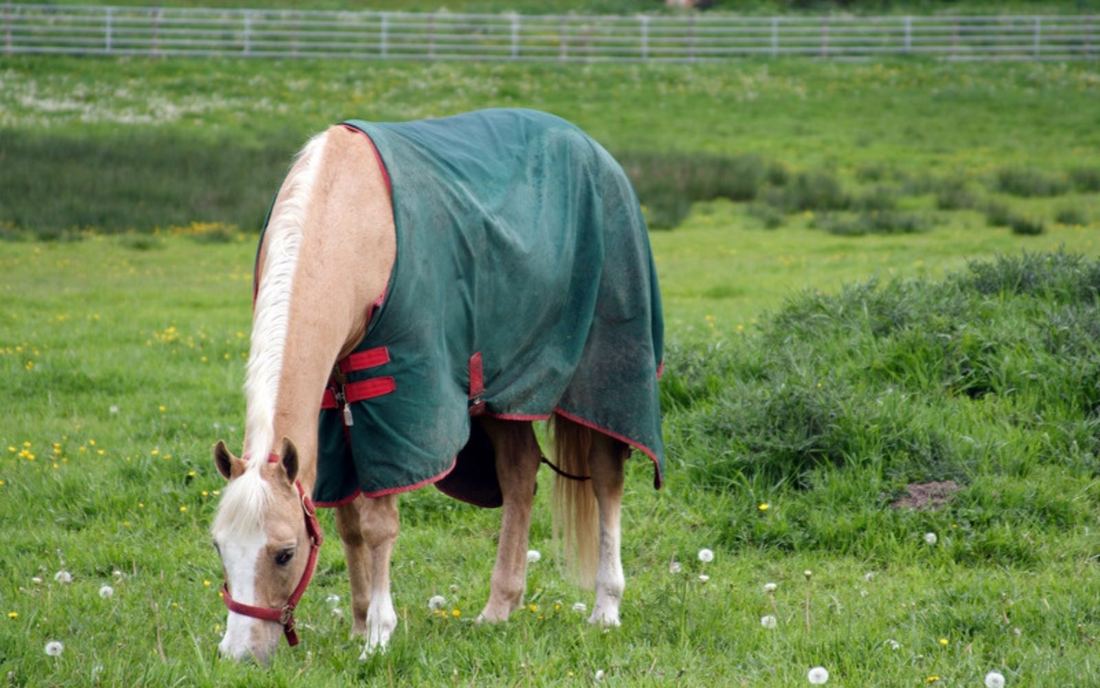
Why the coat doesn't just take care of itself
A horse's winter coat is driven mostly by day length, not temperature. Shorter days in fall tell the body to grow it, and longer days in spring tell it to shed. That means a horse with a full winter coat won't shed it just because they've arrived somewhere warm. They'll carry that coat until spring, unless you clip it.
Southern winters can also swing a lot. Warm, humid afternoons can be followed by cold nights, so most horses heading south need a plan for both.
| Unclipped horse | Clipped horse | |
|---|---|---|
| Main risk | Overheating and heavy sweating once it warms up | Getting cold at the start of the trip, then sweating under blankets as it warms |
| On the trailer | Usually no blanket, plenty of ventilation | Blanket for the cold start, then peel off layers as you drive south |
| After arrival | Decide whether to clip, and keep work light while they adjust | Sheet or blanket on cold nights, off on warm days |
Moving an unclipped horse somewhere warm
On the road
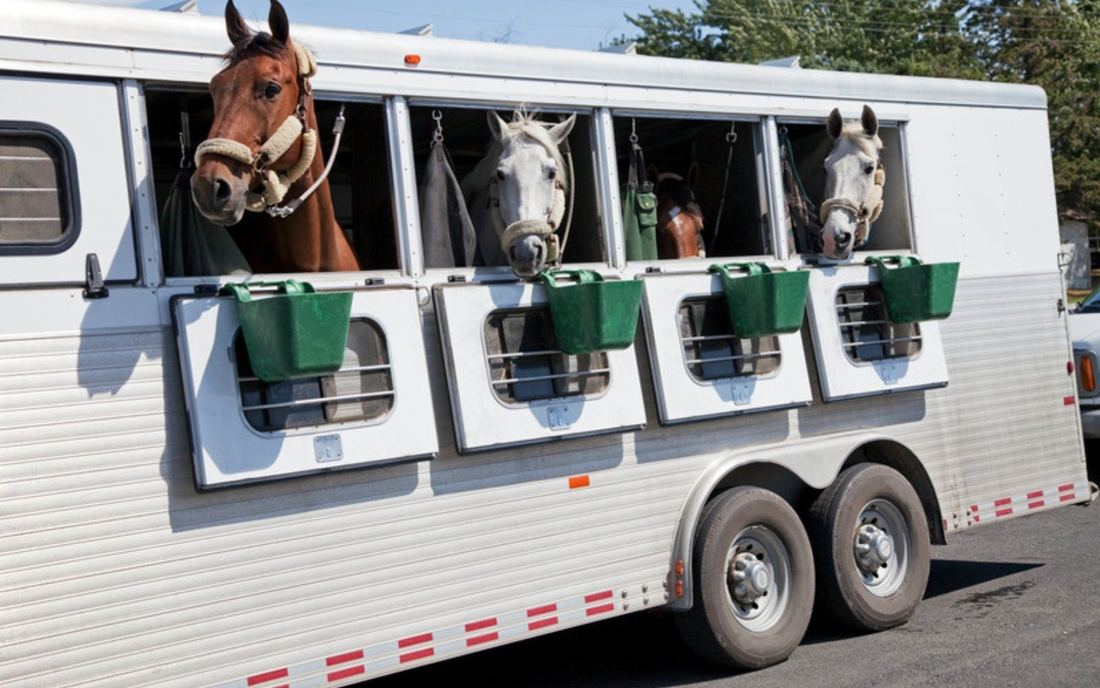
- A horse in a full winter coat usually doesn't need a blanket on the trailer, even if it's cold when you leave. A trailer full of horses warms up quickly.
- Keep vents open. As you drive into warmer weather, open more of them.
- At every stop, about every four hours, slide a hand under the mane and behind the elbows. Damp hair means your horse is too warm.
- Offer water at every stop. A horse sweating under a heavy coat loses fluid quickly.
To clip or not to clip
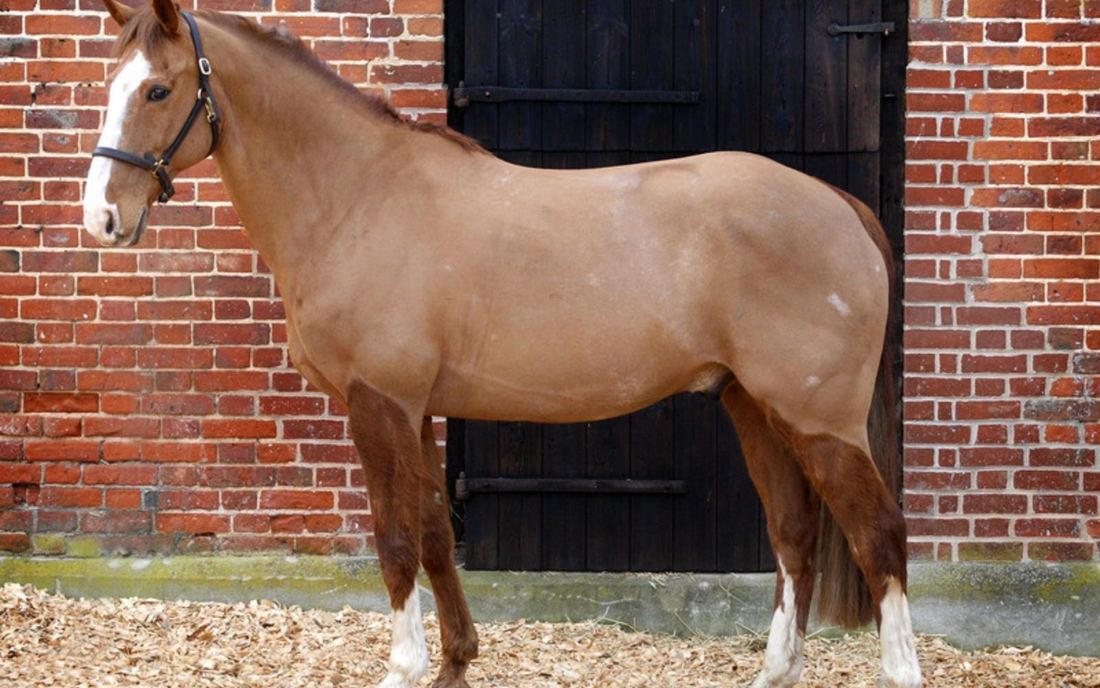
Many riders who winter in the South clip, because a full coat in warm, humid weather means a hot, sweaty horse that takes a long time to dry and cool down. You have two common options:
- Clip before you leave. Clipping two to four weeks ahead gives a little hair time to grow back, and gives you time to adjust blankets at home. Avoid clipping the day before you go.
- Clip after you arrive. This keeps your horse's natural protection for the trip itself. Give them a few days to settle first, and ask your barn about bathing and turnout after clipping.
If you'd rather not clip, a partial clip such as a trace or bib clip removes hair where horses sweat most and leaves the rest. Talk it over with your vet or trainer, especially for an older horse or one that will mostly be turned out.
Keeping a coated horse comfortable
- Ride early in the morning or later in the day, when it's cooler.
- Make sure they have shade, airflow and fresh water all day.
- After work, hose them with cool water and scrape it off, then repeat until their breathing settles.
Moving a clipped horse from the cold
On the road
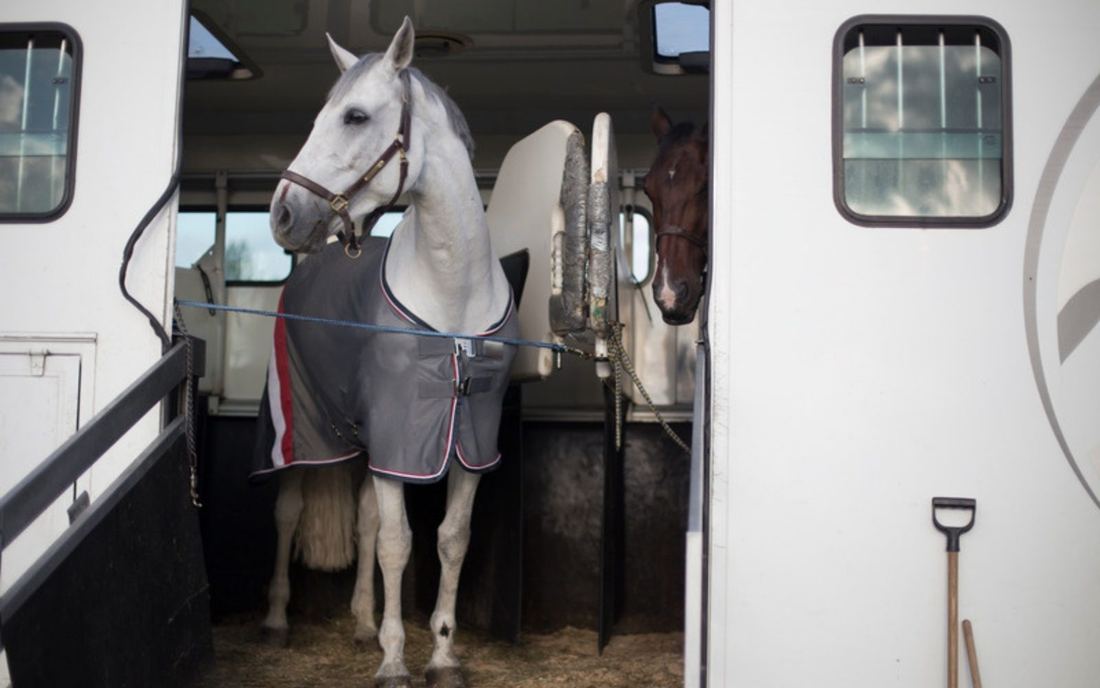
- Start the trip dressed for the weather you're leaving. A clipped horse has lost their natural protection, so they'll need a blanket for a cold departure.
- Layer instead of using one heavy blanket. A sheet under a lighter blanket lets you take off one layer at a time as the temperature climbs.
- Check under the blanket at every stop. If your horse feels warm or damp, take a layer off. A sweaty horse under a blanket can get chilled once they stop moving or the sun goes down.
- Check the forecast for each stop along the way, not just your start and finish, and pack every blanket weight you might need.
After you arrive
- Southern nights can still be cold. Plan to put a sheet or light blanket on in the evening and take it off in the morning.
- Ask your barn or host what nights usually feel like, and check the forecast every day for the first couple of weeks.
- Keep your horse clipped through the season if you'll be riding hard in the heat.
For every horse: the first few weeks
- Give them time. Horses take roughly two to three weeks to adjust to working in heat and humidity. Keep work short and light at first, and build up slowly.
- Let them settle. Many horses arrive tired but keyed up from the trip. Hand walking and short, easy sessions help in the first week.
- Keep them drinking. Horses need more water and salt in warm weather. Ask your vet whether your horse should have electrolytes, and how much.
- Take their temperature each morning and evening for the first several days, so you'd spot an illness from the trip early.
- Watch how they sweat. A horse that is breathing hard in the heat but isn't sweating, or has patchy sweat, may have a condition called anhidrosis, which is more common in hot, humid climates. Call your vet if you see it.
- Watch for colic. Changes in water, hay, routine and weather all at once can upset a horse's gut. Bring some of your own hay to mix in gradually if you can.
Plan the stops on the way down
A long haul south is easier on a horse with a night off the trailer. Find horse-friendly layovers along your route in the RideJoy app, and message hosts ahead of time about blankets, stall fans or anything else your horse needs.
Sources and further reading. This guide is general information, not veterinary or legal advice. Talk with your veterinarian and check state requirements before you travel.